News

7 Signs You’re Lacking in Vitamin D and How to Get More To Boost Your Immunity

Known as the “sunshine vitamin,” vitamin D plays a vital part in keeping your body functioning at its best.

From supporting your immune defenses and bone strength to regulating mood and promoting heart health, this nutrient does a lot more than most people realize.

Yet despite its importance, many individuals fall short on vitamin D due to lack of sun exposure, poor diet, or certain health conditions—leading to symptoms that can seriously affect daily life.

Here are 7 telltale signs you might be vitamin D deficient, along with actionable ways to restore healthy levels and give your immunity a boost.
1. You’re Always Getting Sick

Why It Happens: Vitamin D is crucial for your immune system. It activates T-cells and other immune defenses that target viruses and harmful bacteria.

What to Watch For: If you’re constantly coming down with colds, the flu, or other infections, it could signal low vitamin D.

What to Do: Try to increase your sun exposure, add more vitamin D-rich foods to your diet, or consider supplementation if needed.

2. Persistent Fatigue or Low Energy

Why It Happens: Low vitamin D levels have been linked to fatigue, possibly due to its role in how your cells produce energy.

What to Watch For: You feel exhausted all the time—even after a full night’s sleep or rest.

What to Do: Add foods rich in vitamin D to your meals or discuss supplements with your healthcare provider.

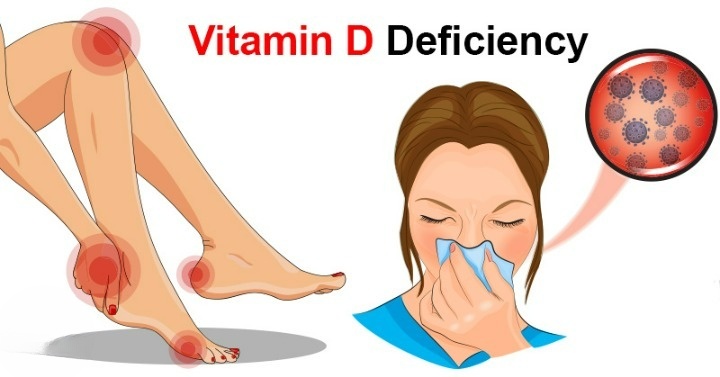
3. Bone Discomfort or Weak Muscles

Why It Happens: Vitamin D enhances calcium absorption, essential for bone strength. Without enough, you may develop bone pain or feel physically weak.

What to Watch For: Aching in your bones (especially in the lower back, hips, or legs), or struggling with movements like standing up or climbing stairs.

What to Do: Combine vitamin D intake with calcium-rich foods like dairy products, leafy greens, or fortified plant milks.
4. Mood Swings or Feelings of Depression

Why It Happens: The brain has vitamin D receptors that influence mood. A deficiency is often linked to increased risk of depression, anxiety, or seasonal affective disorder (SAD).

What to Watch For: Ongoing sadness, lack of motivation, or irritability—especially during darker winter months.

What to Do: Spend more time outdoors when possible, and look into light therapy or vitamin D supplementation.

5. Slow Healing Wounds

Why It Happens: Vitamin D helps control inflammation and supports new tissue growth, which are essential for healing.

What to Watch For: Cuts, scrapes, or even surgical wounds that take longer than usual to close.

What to Do: Ensure you’re meeting your daily vitamin D needs to speed up recovery and reduce inflammation.


6. Hair Thinning or Shedding

Why It Happens: Severe vitamin D deficiency may be connected to hair loss, including conditions like alopecia areata. It may also contribute to general hair thinning.

What to Watch For: Sudden or unexplained hair loss, especially if paired with fatigue or mood changes.

What to Do: Increase vitamin D through diet or supplements, and consider checking for other contributing factors like stress or hormone imbalances.

7. Ongoing Back Pain

Why It Happens: Since vitamin D plays a major role in bone strength, low levels can contribute to chronic lower back pain, particularly in people with osteoporosis or related issues.

What to Watch For: Consistent back pain, especially without a clear physical cause or injury.

What to Do: Talk to your doctor about vitamin D supplements and consider low-impact strength training to help protect your spine.

How to Naturally Boost Vitamin D and Strengthen Your Immunity

If you suspect you’re not getting enough, here are smart, simple ways to naturally raise your vitamin D levels:

1. Soak Up Some Sunlight

Why It Works: Your skin makes vitamin D when it’s exposed to UVB rays from the sun.

Tips:

  • Aim for 10–30 minutes of sun exposure a day (depending on your skin tone and location).
  • Limit overexposure to prevent skin damage—short, safe bursts are enough.

2. Eat More Vitamin D-Packed Foods

Why It Works: Some foods naturally contain or are fortified with vitamin D.

Top Sources Include:

  • Fatty fish like salmon, mackerel, and sardines
  • Egg yolks
  • Fortified options like dairy, orange juice, and cereals
  • Mushrooms that have been exposed to UV light

3. Consider a Vitamin D Supplement

Why It Works: Supplements are an easy and reliable way to correct a deficiency, especially when food and sun aren’t enough.

Dosage Guidelines:

  • Adults usually need 600–800 IU daily, though higher amounts might be recommended with medical guidance.
  • Opt for vitamin D3 (cholecalciferol) instead of D2—it’s more effective at raising levels in the blood.

4. Keep Track of Your Levels

Why It Works: Blood tests can reveal if you’re too low (or too high) in vitamin D.

Optimal Range: Aim for 30–100 ng/mL in your blood for best results.

5. Support Overall Health for Better Absorption

Why It Works: Issues like obesity, poor gut health, or medications can interfere with how your body uses vitamin D.

Helpful Tips:

  • Maintain a healthy weight
  • Eat a nutrient-dense diet rich in magnesium and zinc (which help vitamin D metabolism)
  • Avoid smoking and limit alcohol intake

When to Talk to a Doctor

If you notice any of the symptoms above or suspect you’re low in vitamin D:

  • Ask your doctor for a blood test to check your levels
  • Work together to create a custom plan that fits your health needs, including diet and lifestyle changes or supplements

Final Words

Vitamin D is a powerhouse nutrient that supports everything from your immune system to your bones and emotional well-being. Spotting the signs of a deficiency early—and knowing how to fix it—can make a big difference in how you feel and function.

Whether it’s through sunshine, better nutrition, or a daily supplement, making vitamin D a priority will help keep you energized, uplifted, and resilient all year long.

Related Posts

At His Luxury Wedding, My Brother Sent Me to the Kids’ Table and Whispered, “You Don’t Belong With Important People”—Then the Billionaire CEO He’d Spent 18 Months Trying to Impress Walked Past Every Executive, Pulled Up a Tiny Chair Beside Me, and Said My Name Like He’d Been Searching the Room…

The Seat in the Far CornerThe first thing my brother said to me on his wedding day was not that he was glad I had come, or that...

My Husband and His Family Left Me Alone in the Lobby of the Luxury Resort I Paid For, Then Posted “The Whole Family Together” Without Me—So I Had One Quiet Conversation at the Front Desk… The Next Morning, All Seven of Them Were Looking for Me

The Woman They Left BehindThe first message came while Audrey Bennett was still standing beside her suitcase in the marble lobby of the Halcyon Dunes Resort on Amelia...

My Family Laughed When I Came Alone to My Sister’s Wedding, and My Father Pushed Me Into the Fountain as Guests Applauded—Twenty Minutes Later, the Investor He’d Been Begging for Months Walked In, Wrapped His Coat Around Me, and Quietly Asked, “Everett, Did You Actually Read What You Signed This Morning?”

The Twenty Minutes My Family Could Never Take BackThe Daughter Who Arrived AloneBy the time I stepped through the iron gates of the Bellweather Grand in Charleston, the...

My 9-Year-Old Granddaughter Whispered, “Grandma, Mom And Dad Aren’t Away On Business… They’re Trying To Take Everything From You.” I Pretended I Knew Nothing—Until They Came Home To Changed Locks And A Note On My Kitchen Table: “I Know Everything.”

The Whisper in the Upstairs BedroomThe night my nine-year-old granddaughter warned me about her parents, I was standing beside her bed with a quilt folded over my arms.Outside,...

Prince Harry’s ‘sh0cking’ behaviour towards Meghan Markle in new picture during outing with their children

Prince Harry and Meghan Markle shared a touching moment this week while volunteering at Our Big Kitchen Los Angeles, helping prepare and package meals for people experiencing food...