News

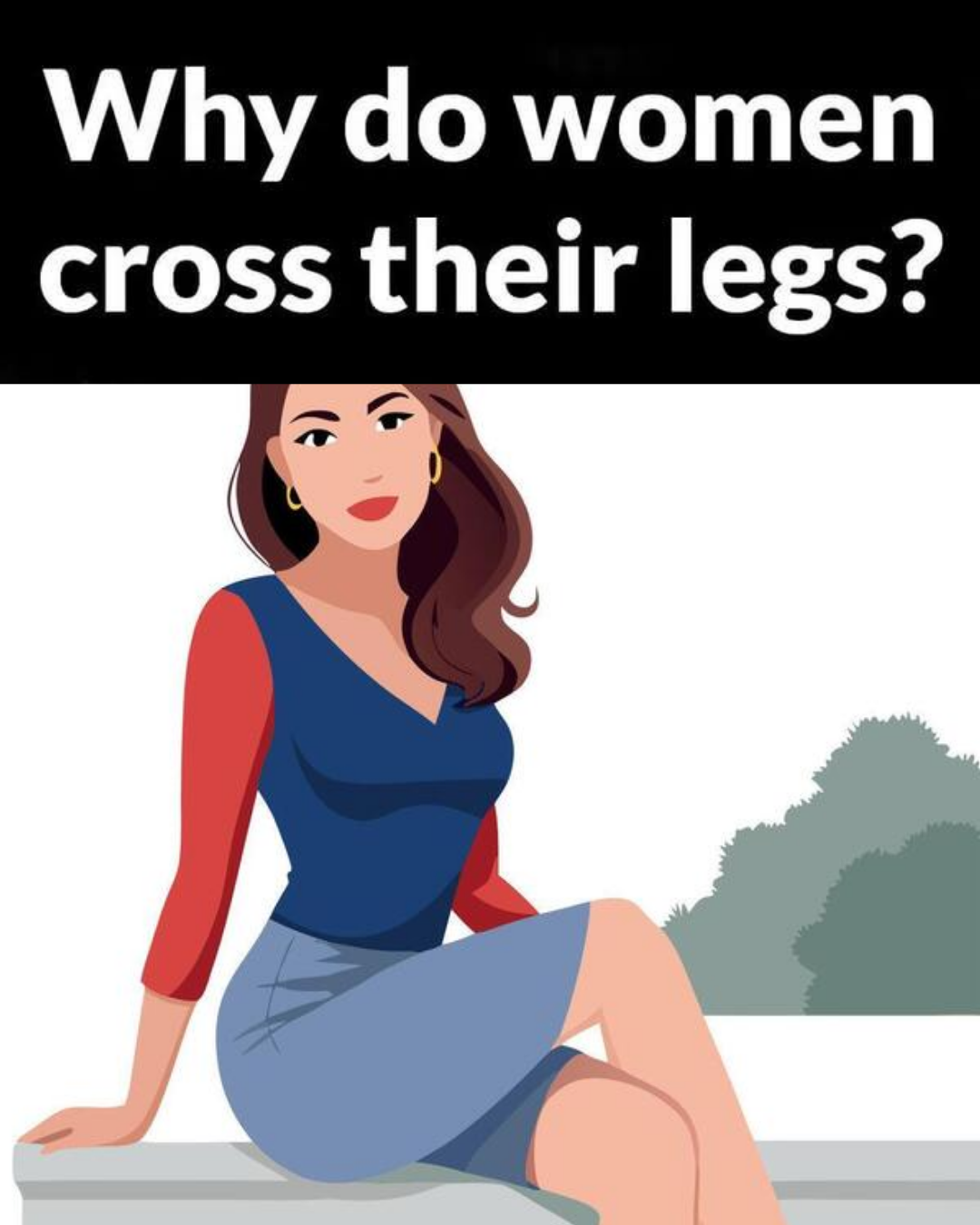
Why do women cross their legs when sitting? Psychological perspectives Cultural and Social Context

The way one crosses their legs while sitting may seem like a small habit, but it’s a gesture deeply shaped by cultural, social, and psychological influences.

For women especially, this posture carries historical weight, shaped by evolving ideals of femininity and social etiquette.

Throughout history, societies have regulated how women present themselves in public. In 18th-century Europe, for instance, literature and art portrayed the ideal woman as elegant and composed—an image reinforced through posture.

Crossing one’s legs became a subtle sign of modesty, delicacy, and grace, aligning with long-held notions of femininity. However, such interpretations aren’t universal. In many Eastern cultures, this gesture can be perceived as rude or dismissive, underlining how cultural context heavily influences meaning.

Today, while concepts of femininity have evolved, the leg-crossing habit persists—often shaped by early social conditioning and reinforced through media and fashion.
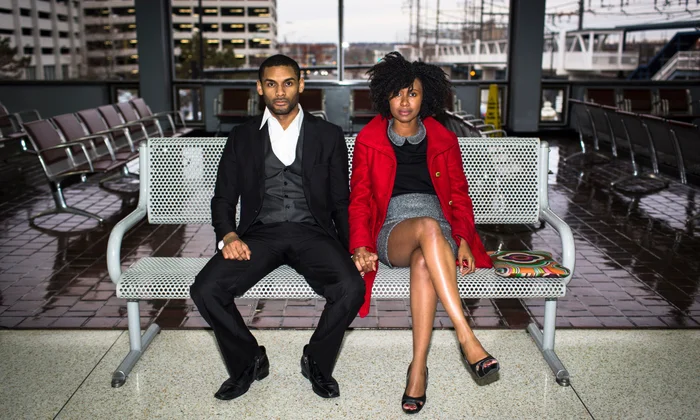
For many women, it’s not simply a choice of comfort but a response to societal expectations around composure and appearance. These expectations can, in turn, affect how freely women move and sit in various spaces.

Psychological Insight into a Simple Gesture

Crossing the legs can offer a window into a woman’s emotional and psychological state. Depending on the situation, it might reflect confidence or, on the contrary, a sense of vulnerability or withdrawal. Often, the posture serves as a way to establish personal space—almost like a protective boundary during social interactions.

From a psychoanalytic perspective, closed body language like tight leg crossing might signal anxiety or insecurity, while more open positions can suggest emotional ease or assertiveness. Behavioral psychology also interprets such gestures as a nonverbal way of expressing one’s mental state—intentionally or not.

Again, context matters. What might appear as a graceful pose in one country could come off as defensive or impolite in another. And for some women, the simple act of sitting with crossed legs may be more about habit than conscious expression, shaped by a lifetime of subtle cues about how to “act appropriately.”


Body Language and Social Interaction

In both social and professional environments, leg position can quietly influence how someone is perceived. A crossed-legged stance might be read as closed-off or reserved, hinting at discomfort or the desire to create emotional distance. On the other hand, open leg postures can signal confidence, engagement, and ease.

Social psychology research confirms that nonverbal cues—such as which direction one crosses their legs—can communicate subtle messages. For example, angling crossed legs toward someone may suggest interest, while turning them away might imply the opposite.

Different cultures assign different meanings to this gesture, too. In some places, it’s a mark of respect; in others, it’s considered rude. Women are also more likely than men to be judged based on how they sit, which can affect how their authority and presence are interpreted in both formal and informal settings.

How We Perceive Women Based on Posture

Beyond physical comfort, crossing one’s legs can impact how women are socially perceived. Many associate the gesture with traditional ideas of femininity, elegance, or even fragility.

In professional settings, however, this can backfire. A woman with an open, grounded posture might be seen as more assertive and confident compared to one with a more closed pose.

These judgments highlight how ingrained gender stereotypes still influence perceptions. As societal views on gender evolve, it’s important to challenge the assumptions tied to body language.

While crossing legs may remain a common gesture, recognizing the stereotypes it carries can help foster a more inclusive understanding of how women express themselves—without the pressure to fit outdated molds.

Ultimately, something as ordinary as crossing one’s legs offers a powerful example of how psychology, culture, and gender intersect. It’s a small gesture with big implications—and one that invites us to think more critically about body language, identity, and self-expression.

Related Posts

“Dad Wanted You to Give Me Your Inheritance!” My Sister Screamed Before Shoving Me Down a Concrete Staircase Trying to Silence Me Forever When I Said No —She Didn’t Know Every Second Was Captured on Camera, and I Was About to Wake Up in the Hospital I Secretly Ran

The Last Seat at the TableThe first time Marlowe Sutton realized grief could be used as a weapon, her father had been dead for nine days.Rain pressed silver...

When the ER Doctor Questioned My 16-Year-Old Daughter’s “Fall,” My Husband Said I Was Overreacting and His Mother Claimed Our Child Was Making It Up—By Sunrise, They Were Already Trying to Take Her Away From Me, but Then I Checked the Necklace I Had Given Her and Found My Own Name Inside a Plan That Had Started Long Before That Night

The Night My Daughter Finally SpokeI still remember the exact way the emergency room physician looked at me before he spoke, because there are moments when a stranger’s...

After Four Hospital Visits Found Nothing, My 12-Year-Old Son Woke Me Before Dawn Clutching His Stomach—Then He Pointed at My New Wife and Whispered, “She Knows Why”… That Was When Our New Nanny Stepped Into the Room and Said, “He’s Telling the Truth.”

The Nights No One Could ExplainThe first time twelve-year-old Benjamin Hale woke his father before dawn, Nathan believed it was a stomach virus.The second time, he wondered whether...

At His Luxury Wedding, My Brother Sent Me to the Kids’ Table and Whispered, “You Don’t Belong With Important People”—Then the Billionaire CEO He’d Spent 18 Months Trying to Impress Walked Past Every Executive, Pulled Up a Tiny Chair Beside Me, and Said My Name Like He’d Been Searching the Room…

The Seat in the Far CornerThe first thing my brother said to me on his wedding day was not that he was glad I had come, or that...

My 9-Year-Old Granddaughter Whispered, “Grandma, Mom And Dad Aren’t Away On Business… They’re Trying To Take Everything From You.” I Pretended I Knew Nothing—Until They Came Home To Changed Locks And A Note On My Kitchen Table: “I Know Everything.”

The Whisper in the Upstairs BedroomThe night my nine-year-old granddaughter warned me about her parents, I was standing beside her bed with a quilt folded over my arms.Outside,...